Half a century has done little to dull the potency of Tobe Hooper’s 1974 shocker, “The Texas Chain Saw Massacre.” Makeup artist Tom Savini is fond of saying that old films aren’t really old if you haven’t seen them yet. And I hadn’t seen the original “Texas Chain Saw Massacre” until six years ago, shortly after discovering the online multiplayer game “Friday the 13th.” That project, by Gun Media and IllFonic, revitalized interest in the dormant Jason Voorhees property while also helping popularize the “asymmetrical horror” subgenre, which has its roots in video game series like “Aliens vs. Predator” and “Splinter Cell.” Gun’s latest—a collaboration with developer Sumo Nottingham—aims to give Hooper’s genre classic the same treatment as “Friday the 13th: The Game” but largely avoids the trap of having too much in common with the company’s earlier hit.
The original 1980 “Friday the 13th” is in many ways the cinematic progeny of the 1974 “Texas Chain Saw Massacre” and of John Carpenter’s “Halloween,” but Hooper’s film, co-written with fellow Texan Kim Henkel, has different things on its mind. It opens with images of decomposing human remains, more upsetting than anything in “Halloween” or the original “Friday the 13th,” while a radio broadcaster delivers the news. Someone has been digging up graves at local cemeteries; there’s been a fire, an outbreak of violence, a suicide, and a suicide attempt. A full moon dissolves into a shot of a roadkill armadillo.
There’s an erratic, hallucinatory quality to the movie’s editing, especially early on, but that recurring image of the full moon holds it all together. The story follows a group of young people road-tripping in a van. One of them, Pam (Teri McMinn), reads aloud from a book on astrology: the planet Saturn is in retrograde, she says, setting a scene for karmic debts to be paid. Another road-tripper, Franklin (Paul A. Partain), spots an old-fashioned slaughterhouse along the road just as they encounter a terrible smell. The conversation in the van shifts to the brutal methods used to butcher cattle at such places—sledgehammers striking skulls “two or three times”—as the camera lingers, in close-up, on many of the animals in question. Shortly after, the group picks up a wild-eyed hitchhiker (Edwin Neal); Franklin jokes about him being a Dracula. “My family’s always been in meat,” says the hitcher proudly before his talk of head cheese puts the kibosh on the subject. “A whole family of Draculas,” Franklin observes.
With the “Texas Chain Saw Massacre” video game, Gun and Sumo have made the Slaughter Family the stars of the show. Veteran actor-stuntman Kane Hodder picks up the chainsaw for the first time since his stunt work on 1990’s “Leatherface: The Texas Chainsaw Massacre III.” Edwin Neal provides the voice of the Hitchhiker, some 50 years after wrapping up the Hooper picture. Kristina Klebe, who played Lynda in Rob Zombie’s remake of “Halloween,” delivers a chilling voice-over performance here in the role of “Sissy,” one of two new members of the Family. She’s joined by Damian Maffei, who voices Johnny Slaughter, a brother absent from the films. Actress Scout Taylor-Compton, known for portraying Laurie Strode in Zombie’s “Halloween” entries, plays SoCal surfer type Julie Crawford in the game—along with a significant amount of performance capture.
There’s a fair bit of narrative backbone for an online multiplayer game where one group of players tries to hunt and kill their four “Victims.” Currently, the roster of playable Victims includes five original characters, and they’re all in this mess to help their friend Ana Flores (voiced by “My Adventures with Superman”’s Jeannie Tirado). Ana’s sister, Maria, is a student photographer who’s gone missing in Muerto County during wildflower season. So the camera we see the Hitchhiker using in the original movie is Maria’s, according to Gun and screenwriter Henkel, and the campsite in the film is further evidence of this new cast having been there. It’s a cleverly-situated prequel with several months of wiggle room. Not bad for a continuity that, historically, writers have treated with as much respect as a small-town stop sign.
From the jump, the game’s design is a departure from “Friday the 13th,” though not to such an extent that it’s likely to alienate Gun’s core audience. Where “Friday the 13th” pits the supernatural, superstrong Jason against seven other players, “The Texas Chain Saw Massacre” adjusts the formula: three members of the Family versus four Victims. And Leatherface, whose chainsaw grants him the unique ability to cut through various obstructions around the map, must be present in every match.
I’ve played “Friday the 13th” with much of the same group since 2017, and a part of me has always relished being Jason. There’s a certain fantasy in being a force of nature like that, fighting for control of the map, sabotaging the phones, chasing cars, and making sure everybody’s having a good time. When there’s one killer, whoever plays Jason can show mercy early in the game; they can prioritize more skilled targets over less experienced players. My “Friday” buddies seem to enjoy it when I play Jason, even if none of them escape with their lives by the time the match is over.
In my time with “The Texas Chain Saw Massacre,” I seem to prefer the Victims. Granted, comparing one week to the 549 hours I logged in the earlier game is hard. But I suspect it has to do with the numerous ways Gun and Sumo have improved upon so many other aspects of the experience. Stealth mechanics feel fairer and more skillful than sneaking around in similar games; the “Splinter Cell” influence sometimes shines through without complicating things. Minigames, where you solve a brief puzzle to pick a lock or repair a fuse box, are much more precise and player-driven than their “Friday the 13th” equivalents, which sometimes meant holding down the A button and hoping Jason wasn’t within arm’s reach. For all that “Friday the 13th” got right, this is a superior piece of software in the most formal sense.
There are two areas where “TCM” distinguishes itself from other asymmetrical horror games. The first is that Gun and Sumo understand—like Hooper, Henkel, cinematographer Daniel Pearl, and crew before them—that this setting is one of immeasurable beauty. It’s only when you add human beings, those meat eaters and online gamers and horror fans, that things get mucked up. In the film, Leatherface takes his chainsaw to one of his victims, and the camera cuts away to a shot of sunlight beaming through the spinning sails of an old windmill. There’s also a rundown house overgrown with green vegetation early in the movie.
The game embraces these images of nature’s power. The thickets, the wildflowers, and even water can be your salvation. Meanwhile, metal gates, generators—yes, the ever-present revving of the saw—recall that discussion of the slaughterhouse from Hooper’s opening act. Often, a locked door is all that stands between you and the open land.
The other thing that makes this a fun game to play is it can scare the hell out of you. It’s nice to take in the heavenly orange skybox during the daytime, maybe put on a podcast or some seventies rock. But there’s nothing like being on a nighttime map and rounding a corner to find Sissy standing there, barefoot in a black dress, moonlit straight razor in hand, as her gaze finds yours.
Available now. A review copy of this title was provided by the publisher.
Certain films are so close to being good, so close to achieving a rare level of brilliance, your anger springs from said work not reaching those heights. Director Neill Blomkamp’s “Gran Turismo,” a crowd-pleasing, genre-bending sports drama, approaches wonder with an odd tepidness; it maneuvers around any modicum of character development by taking all-too simple routes and swerves away from formal experimentatio, opting instead for simple enjoyment.
And yet, I can’t say I wasn’t invested in every race, lap, and turn. Nor can I say the climax didn’t successfully tug my heart toward an emotional response as the intrepid Jann Mardenborough (Archie Madekwe), a teenager who rose from gamer to real-life car racer, passed the finish line.
“Gran Turismo” is an uncommon yet familiar biopic, a video game-inspired narrative with unique strengths and recurrent weaknesses. For one, as Mardenborough likes to say, the property the film takes inspiration from isn’t a game; it’s a simulator. Players can customize vehicles to startling specific details through a seemingly infinite library of parts to imitate a range of makes and models that rival professional drivers (Blomkamp attempts to visualize such realism by having transparent VFX cars envelop Mardenborough whenever he plays).
Marketing extraordinaire Danny Moore (Orlando Bloom) knows the potentiality of such skill: He goes to GT proposing a competition in which the top seven gamers will train to become an actual racer for the Nissan team. He also recruits seasoned veteran crew chief and former driver Jack Salter (David Harbour) as a trainer. Moore’s venture brings heavy risk. And yet, when Jack asks Moore what the marketer gets out of this, Moore doesn’t have an answer. Despite Bloom’s inspired take, the wobbly, incomprehensible motivations of Moore only offer frustration.
Mardenborough’s desires are clearer cut: He wants to work on real cars. His father, Steve (Djimon Hounsou), a former professional footballer presently relegated to menial jobs, wants his son to be practical, lest he end up like his old man, filled with broken dreams. We don’t get much screen time or interiority from any Mardenborough family member. He has a doting, understanding mother (Geri Halliwell) and a partying immature brother (Daniel Puig), but they only fulfill the basic duty of filling out morsels of screen time. At a party, Mardenborough meets Audrey (Maeve Courtier-Lilley), whom he’ll keep up vicariously via Instagram. It’s disappointing that she never evolves narratively beyond being the dream girl on Mardenborough’s screen.
The young gamers turned drivers in the GT Academy are similarly thinly sketched. They’re inchoate obstacles who, once again, merely round out the biopic’s run time. The Academy’s more pressing narrative function is to serve as a site for Mardenborough and Jack’s budding rapport. The latter is skeptical that these keyboard warriors possess the physical and competitive acumen to become professionals. Jason Hall and Zach Baylin’s script plays an exhausting game of keep-away about Jack’s tragic backstory (are we supposed to believe that Mardenborough, a perpetually online teenager, didn’t Google his trainer?).
“Gran Turismo” doesn’t really kick into gear until Mardenborough moves past the Academy to real racing, where he competes against teams hostile to simulator racers. It’s difficult not to hear characters say that sim drivers will never replace real drivers without thinking about the real-life struggle SAG-AFTRA and WGA face against AI, even if Mardenborough is a real person. Blomkamp portrays people like Mardenborough as plucky outsiders, not unlike the bobsledders in “Cool Runnings.” The film’s use of common sports movie tropes unexpectedly aligning with real-world concerns makes for uneasy tension.
Those tropes keep the viewer engaged even when the on-screen storytelling doesn’t wholly deserve it. While you’d expect editors Colby Parker, Jr. and Austyn Daines, along with cinematographer Jacques Jouffret, to match real gameplay rhythms and virtual visuals, the freeze frames that tell viewers what lap we’re on crush the pace, and the information provided is often repetitive to the dialogue.
Even so, tropes are tropes because they work. For Mardenborough and Jack, it’s us against the world. A rivalry between Mardenborough and an ultra-rich racing team adds a dash of tension; a tragic crash gives Mardenborough a comeback story; a harrowing speech by the ever-dependable Hounsou puts the finishing touches on this underdog story and fully invests the viewer in the cares of an unassuming teenager. While “Gran Turismo” has greater issues than what’s outlined here, some nitpicky, others larger in scope—Madekwe as a lead is low-key to the point of invisibility—Blomkamp furnishes just enough cautionary thrills.
Breathing new life into a classic tale of creation and destruction, Laura Moss’ clever, disquieting debut feature “birth/rebirth” (in theaters August 18; via IFC Films and Shudder) re-examines the Frankenstein myth through the lenses of motherhood and mortality.
Inspired by Mary Shelley’s 19th-century novel, this story of two women bound together by their relationship to an undead little girl equally evokes David Cronenberg’s “Dead Ringers,” with its clinically invasive and darkly humorous conception of the body as a site of warring physiological and psychological realities. Most of all, the film—which premiered at the 2023 Sundance Film Festival—signifies the arrival of an uncompromising new voice in horror.
At the center of “birth/rebirth” is Rose (Marin Ireland), a morgue technician who prefers the company of cadavers as she conducts research into bringing the dead back to life, a project she obsesses over at work and in her Bronx apartment. Elsewhere in the hospital, maternity nurse Celie (Judy Reyes) balances caring for patients and tending to her six-year-old daughter, Lila (A.J. Lister). When Lila falls ill and dies, Celie cannot accept the loss. Rose has a solution. That the two women succeed in reanimating the child’s corpse is only the beginning of their shared struggle, as both Rose and Celie find themselves co-parenting Lila and questioning her revival.
In Chicago this past May to attend the Chicago Critics Film Festival, where their film screened as an official selection, Moss spoke with RogerEbert.com at The Brewed, a horror-themed coffee shop in Avondale. The conversation touched upon “Fry Day”—Moss’ coming-of-age short (a previous Audience Award winner at the festival), now streaming on the Criterion Channel, set against Ted Bundy’s 1989 execution—and upcoming projects, but primarily focused on dissecting the origins and thrillingly unruly innards of “birth/rebirth.”
This interview has been edited and condensed.
What’s your relationship to Mary Shelley’s Frankenstein?
I was not fitting into a feminine box as a young person. The novels I was reading by women were marriage-and-manners petticoat novels, and I couldn’t relate to them. Frankenstein blew my mind and was probably the first novel that I read where I did a deep dive into the author immediately. Who was this young woman who wrote this epic story? This film started as journal entries, in the form of letters from prison, from Rose’s perspective to the mother of the child she reanimated. It was epistolary, very much influenced by the novel.
Still, “birth/rebirth” is in no way an adaptation of the novel. I haven’t seen a faithful adaptation of the novel yet. With a male doctor, the horror of creation is about abandoning your creation. To me, it’s funny that when women do it, they have to raise it together. [laughs] They don’t get to abandon their creation. They have a secret, a shared experience no one else can understand. It’s like being at war together. No one can be as close to them as they can be to each other.
In an 1831 introduction to Frankenstein, Shelley described the vision that inspired it as that of a “hideous phantasm of a man stretched out,” stirring with an “uneasy, half-vital motion.” Tell me about depicting that “half-vital motion” in this film, that liminal state between life and death.
I didn’t want to depict birth as necessarily monstrous because there’s so much more to it than that. As someone who has been pregnant and has not given birth, I can say it’s a very strange feeling to have something dependent on you, growing inside you, essentially a parasite that will come to fruition and become something completely intact outside of your body. It’s a wild idea.
My friends who’ve recently been pregnant and experienced childbirth talk about that terrifying element as part of the process that many people feel but don’t often express. It’s pretty taboo to express. There’s a fetal component to our movie, a question of, “When does life begin, and when does life end? Can we control or define either? When is someone themselves and not themselves?” There’s in-betweenness to Lila, which I had specific feelings about but wanted to leave open enough in the film for audiences to draw conclusions.
Rose uses her body as a tool to carry out experiments. There’s such societal pressure imposed upon women and people assigned female at birth to reproduce, but that kind of creation doesn’t appeal to Rose.
She doesn’t want to create something with her body. She wants to create something with her mind. She doesn’t want to be limited by the boxes that society tries to place around her. Kraang from “Teenage Mutant Ninja Turtles” comes to mind. Rose wishes that she were a brain in a vending machine. She maintains her body because it is the instrument her mind needs to get its work done, but she has no relationship with her body and is very uncomfortable with its processes.
I’m non-binary. In many ways, this film is not explicitly queer, but there’s a lot of implicit questioning that comes from a deep, subliminal place in me. That’s why I relate to Rose so strongly. I remember learning about the concept of being non-binary when I was already in my 30s. I said, “How cool. I’m too old but, if I knew about that when I was a kid, that’s what I would be.” I had a really hard time, because of socialization, realizing it wasn’t too late for me. There’s so much unlearning.
When you’re in your mid-to-late 30s, which is when this movie came together, the conversations happening with people in your life are all about this topic: whether they choose not to have children, are struggling through IVF to have children, are having children, have them, or are thinking about what it would do to their career. What is parenthood? The whole script became infused with the idea that, when you commit to one of those paths, you close off many other paths. Rose wants to be limitless. She doesn’t want limitations.
The dreary, antiseptic locations of “birth/rebirth” inform the action and psychology of your characters. The mundanity of those spaces adds to the film’s sense of medical realism. How do you approach creating an atmosphere through setting?
I come from a production design background. Location has always been a character for me. Our film is set in the Bronx; we shot in North Jersey and did a day in the Bronx, which those who aren’t familiar with the Bronx might not notice, but that culture is infused into the characters. It’s an important grounding tool for a filmmaker.
The sensibility of [production designers] Courtney and Hillary Andujar is wild, but they’re also able to be restrained. Small tweaks enhanced an existing hospital space, but their masterful work was in the apartment, which they made claustrophobic and layered. It was Rose’s mother’s apartment; when her mother died, time stopped. They took that simple direction and ran with it. My DP [Chananun Chotrungroj] and I were both astonished that any angle you point the camera in there looks like a different space, but it’s still unified. Our film takes place largely in that one location; it was crucial that every angle not look or feel the same.
The warmer touches in that apartment are vestiges of Rose’s mother, but she’s taken that space and made it 100% practical. The tension between those styles makes a subtle psychological difference. Rose doesn’t mix her peas with her mashed potatoes. She’s very much trying to control not only her own body but everything around her—and death. That was fun to play with: she has this ordered space that becomes disordered as the human seeps into the machine she’s trying to create for herself.
That overlap between organic and synthetic textures is reflected in Ariel Marx’s score, as well. The creeping sensation of her music blends into the sound design; you can’t tell where one ends and the other begins.
Ariel also did the score for “Fry Day.” We had been talking about this movie for years, throwing palettes around. Laurie Anderson was an early influence; we wanted a sound that was organic and synthetic. Ariel recorded me, my mother, and the three-year-old daughter of our sound mixer, [Joe Origliero,] just speaking; she turned our voices into a synth palette. That became how the score was orchestrated. It’s subtle, but you hear these femme voices that aren’t quite human.
Our needle drops were inspired by the idea Rose’s mother would be into 1980s female-driven electronic music. There’s a particular Laurie Anderson song in the opening that I played in every pitch. I tried to cement it into the minds of everybody working on the film so when they learned the price tag for that song, they would say, “No, but we have to leave it in.” It’s an important way to introduce the movie.
The sound designer is my brother, Doug Moss, who’s worked on all my shorts, and our sound supervisor is Bryan Parker. With all the beeping devices, respirators, and mechanical objects in the score and sound design. Bryan and Ariel had conversations about how not to step on each other and how to create what you’re describing: that seamless experience of sound design participating in the score.
Before going into film production, you were an EMT. That requires calm under pressure and thinking pragmatically in scenarios where extreme emotions are in play. After the scene where Celie learns her daughter has died, her action-oriented reaction and suspended emotion permeate the film; she’s moving on impulse, with logic and not with feeling. The same mindset is helpful on a film set, but how did your time as an EMT inform your craft?
I became an EMT because I was evacuated from ground zero on 9/11. I did not have medical training and could not be a first responder at that time. I felt useless. I felt the arts were useless. I decided, “F— theater school. I’ll become an EMT.” I found my way back to the arts, but my time as an EMT—more than studying acting, directing, or music—informs my work as a director, in front of and behind the camera. Triage is a huge part of filmmaking. So is pressure. Learning how to respond under pressure is key to making sensible decisions as a director.
In many ways, I relate more personally to Rose, but what I have in common with Celie—and talked with Judy about early on—is that she’s action-oriented. She’s not someone comfortable sitting in grief or contemplation; when there’s a situation, she thinks about what she can practically do and then acts, which also applies to me. There’s been criticism of that moment. People want to see Celie cry more. They want demonstrations of grief. Not only did that feel inauthentic to her character, but it was also important to me that, on one level, Celie doesn’t believe her daughter is dead. There must be that hope, desire, and question. When she discovers her daughter’s body in Rose’s apartment, it’s a confirmation of what she was hoping, thinking, or praying for. If she had already begun to grieve, that alliance they formed would have been more complicated.
Rose distances herself from Lila’s personhood. “It’s alive,” Rose would say, not “She’s alive.” She’s Celie’s daughter and Rose’s experiment; the reanimated Lila can be seen as their shared creation.
If Lila begins as Celie’s daughter and Rose’s project, you could argue she ends as Rose’s daughter and Celie’s project. Marin and I discussed Rose’s ethical code. She’s vegan. She recoils at the idea of causing physical pain, and yet she causes emotional pain to everyone around her from scene one of the film. She’s not sensitive to that nuance. Marin latched on to that and played it beautifully. An open question the audience can ponder is, “How much of the original Lila is still there?”
You set up that question cleverly with a scene involving her reaction to a children’s cartoon.
[laughs] “Rescue Birds.” F—ng “Rescue Birds.” We wanted a real TV series, “Wonder Pets!” And the good folks at “Wonder Pets!” never called us back, because they wanted nothing to do with this movie. Our poor post-production team … We had to write, produce, and animate a children’s television show while trying to meet the Sundance deadline. We wrapped on September 28 and premiered in January. It took six years to make this movie. We were greenlit in 2020. We had a two-year delay because of COVID. Pre-production and the development process took forever. Production and post were an absolute sprint. I was lucky enough to have all that time to prepare so that we could work quickly and efficiently.
To go back to medical realism, there’s no reverence given to the body in this film. Can you discuss your use of prosthetics and cadavers, the film’s portrayal of flesh?
Rose doesn’t look away. It’s important to us that we don’t look away. I mean, the scariest thing in the world is having a body. The clinical flatness of the way we depict medical instances in the film was deliberate and also inspired by Todd Haynes’ “Safe.” We have no sex scene, unless you count the bathroom scene, but I was conscious from the beginning that I needed to be clear with my actors about how nudity was going to be handled, both with Breeda Wool, who plays Emily, and with Marin, who plays Rose, and with the parents of A.J. Lister, who plays Lila and is technically present with nudity, although that’s a composite shot. She was never in the same room as Marin when she was naked.
It was important to me to make sure the actors knew, when we were showing the body that there was deliberate thought behind it. Those scenes were fully storyboarded; we went board-by-board with the actors before we shot them. Our first assistant camera, [Tricia Mears,] our DP, our first assistant director, [Tasha Petty,] and our boom operator, [Lauren Banjo,] were all women, so we were able to close the set and have all women on set for those sensitive moments. The crew was wonderful and respectful of that time. I refer to this film as a reverse-Bechdel movie because there aren’t very many men, they don’t talk to each other, and some don’t have names. Equity is important to me as a filmmaker in encouraging diversity on set, but this movie found its people naturally, all the way through the crew. The overturning of Roe v. Wade was cited by many people as a reason for them wanting to get involved in this film. Others hadn’t seen these topics treated this way before and craved it.
Rose’s “auto-abortion” in the bathroom is one of the most striking scenes in the film.
We didn’t want it to feel didactic in any way, and we didn’t want it to feel like an abortion horror moment. With the later reveal of the fetus on the windowsill, we debated how to score that shot and how to cut it in without making it feel like a horror moment. For Rose, it was simple. She has a collection of cells that she needs to expel from her body to further her experiment. There is physical discomfort, but there is no emotional connection with the idea of the cells becoming a living creature. I’m staunchly pro-choice, but it wasn’t about that. It was about capturing the most authentic response this character would have to this situation.
What are the horror movies that have most influenced you?
I have great reverence and respect for David Cronenberg. In a lot of ways, “Dead Ringers” is about his fear of the female body and a phobia of women. That movie is hysterical. Cronenberg is like Samuel Beckett; people miss something if they take it too seriously. There’s real humor to him, and knowingness. “Dead Ringers” is so well-structured. Jeremy Irons is brilliant. I know almost every line from that movie by heart. That movie lives inside me. I’m always preaching to people to see it if they haven’t already.
Aside from “Rosemary’s Baby,” one of the early films that haunted me for a long time was “Henry, Portrait of a Serial Killer.” I’m interested in horror films that don’t lean into genre expectations and don’t tell you how to feel. Michael Rooker’s performance, the mundanity of his day-to-day existence contrasted with this violence, was super disturbing and powerful.
George Romero’s “Martin” is another film that I’m obsessed with, that I find myself randomly thinking about during the day. The location of Braddock, Pennsylvania, is a character, but the film is so personal and so much about our relationship with horror and fantasy, how it affects your psyche and how your upbringing affects your psyche, and very much about expectations and how we defy those expectations that are put upon us. That movie is a masterpiece. I can’t believe it’s on YouTube for free. It blows my mind.
What’s next?
I’m on strike at the moment. Hopefully, that is resolved in a fair, speedy manner. Development is currently paused on “Gordon,” a feature that [co-writer] Brendan [J. O’Brien] and I wrote before making “birth/rebirth” and that “Fry Day” was a proof-of-concept for. It’s a period piece set in Detroit in 1989, about a young man who is misdiagnosed at a young age as a sociopath and who is trying to date and be normal in a sociopathic world. It’s a horror comedy. If Frankenstein is the father of “birth/rebirth,” “Halloween” is the father of “Gordon.”
“birth/rebirth” is now in theaters, from IFC Films and Shudder.
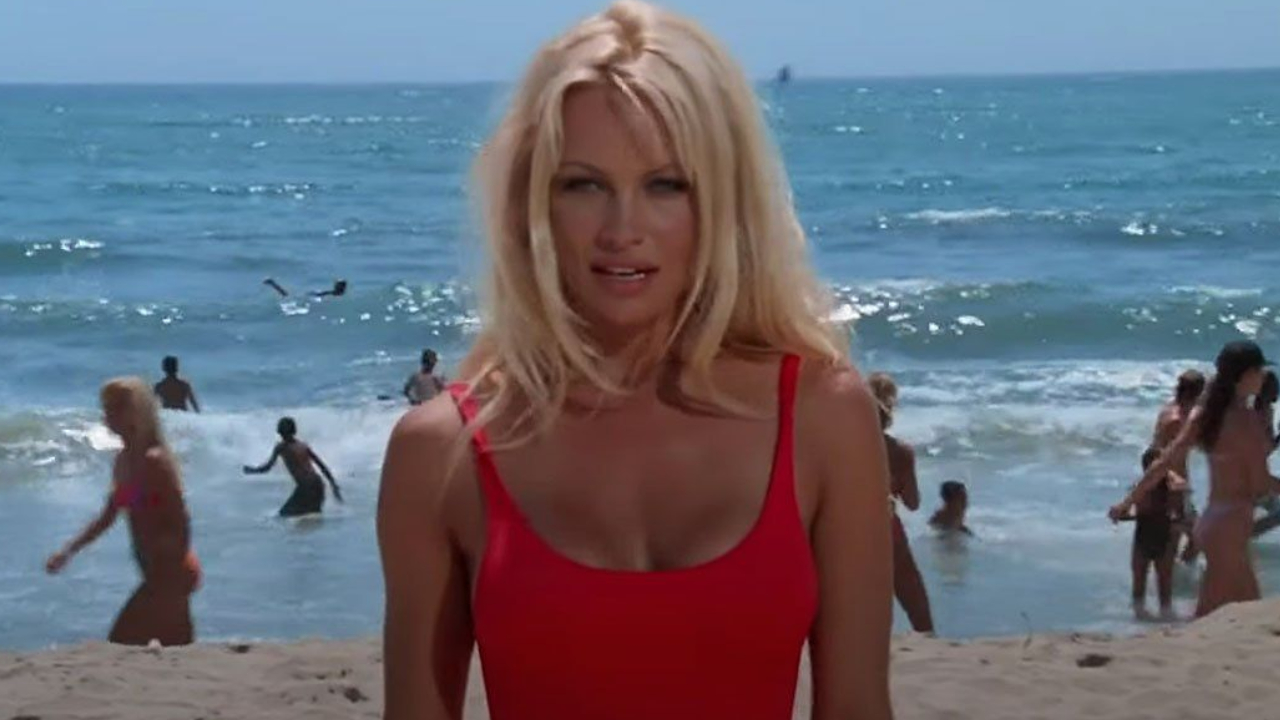
2023 has been subject to a lot of pop culture trends so far, but I think it'd be fair to add Year of the Blonde Bombshell to the list of options, thanks both to Barbie becoming a Hollywood juggernaut and to Pamela Anderson's re-ascension within the zeitgeist. The Baywatch vet has been embraced anew in light of her Netflix documentary and memoir being released, and fans have enjoyed bringing her iconic '90s looks back as much as they've embraced pinked-out Barbiecore fashion. While the Venn diagram for Pammy and Barbie doesn't necessarily feature tons of direct crossovers, the model revealed a sweet story about her connection to the doll's creator Ruth Handler.
Speaking with Elle about her latest fashion campaign for Aritzia's Babaton collection — which sees her wearing snazzy business attire while mowing the lawn and performing other outdoorsy chores — Anderson spoke candidly about her past, and how extremely uncalculated her clothing choices were during her 20s, not realizing that those specific looks would be embraced by influencers who hadn't even been born yet. One of her most recognizable looks involves the quasi-legendary red swimsuit from Baywatch, and is itself something of a reminder of a very early Barbie release that rocked a similar outfit. And as it happens, that particular doll was at the heart of Anderson's memory about its creator. In her words:
Ruth Handler actually gave me one of the first Barbies. She was a neighbor. It was the first platinum Barbie, in a red bathing suit.
The iteration that she's referring to is over 60 years old at this point, as it was released in 1962, which was five years before the actress was born. Anyone looking to buy one of their own will need to shell out hundreds of dollars, at least when it comes to online sellers. I cannot imagine how much diehard fans might pay for the very doll that Ruth Handler gifted to Pamela Anderson. Probably enough to put a down payment on a dream house.
Anderson, who slipped back into the Baywatch bathing suit back in April 2023 for a new bikini line, doesn't necessarily feel super aligned with Barbie, for all that they may share in common. (For one, she's never publicly held any extended romantic relationships with anyone named Ken.) She shared her take on such comparisons, saying:
I resonated more with Barbarella, or maybe Barb Wire, than Barbie. [Laughs.]
I think Anderson's fans would agree with that being the case, as it's far easier to picture her hanging out with Jane Fonda's sexualized sci-fi heroine Barbarella, from Roger Vadim's 1968 cult classic, than 98% of the Barbie population. (As a mom herself, she'd probably befriend and advise Midge.) And even beyond the cult bomb that was Barb Wire, let's not forget that she also voiced the titular entertainer-turned-superhero Stripperella in the 2003 animated series from Stan Lee, which is certainly worth of its own revival at this point.
As far as dramatized and fictionalized versions of history go, both Barbie and Hulu's Pam & Tommy have been celebrated and acclaimed by critics and audiences alike. That said, the latter did not get a vote of approval from Pamela Anderson, who said its release made her downright sick. So if any collectible dolls or action figures ever get released as tie-ins for the streaming series, it's probably not a good idea to channel Ruth Handler and give one to the former Playboy Playmate.
Pamela, a Love Story is available to stream with a Netflix subscription, while Barbie is still breaking records in theaters.
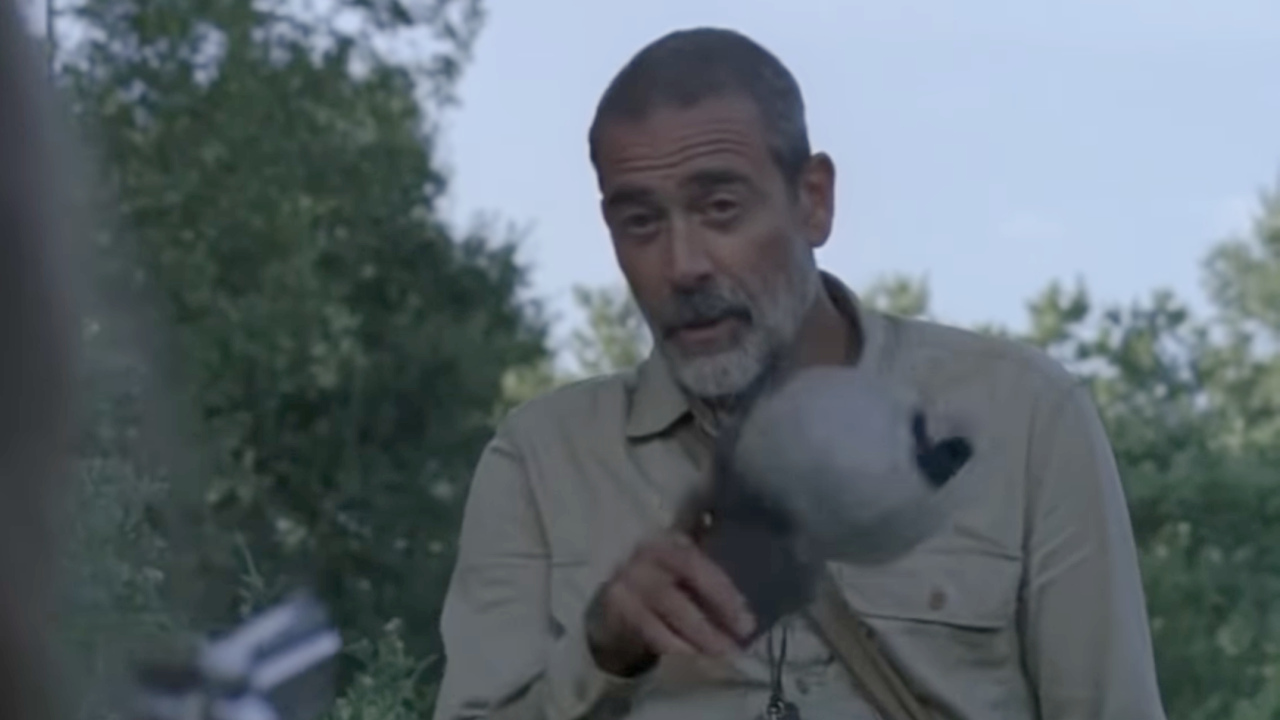
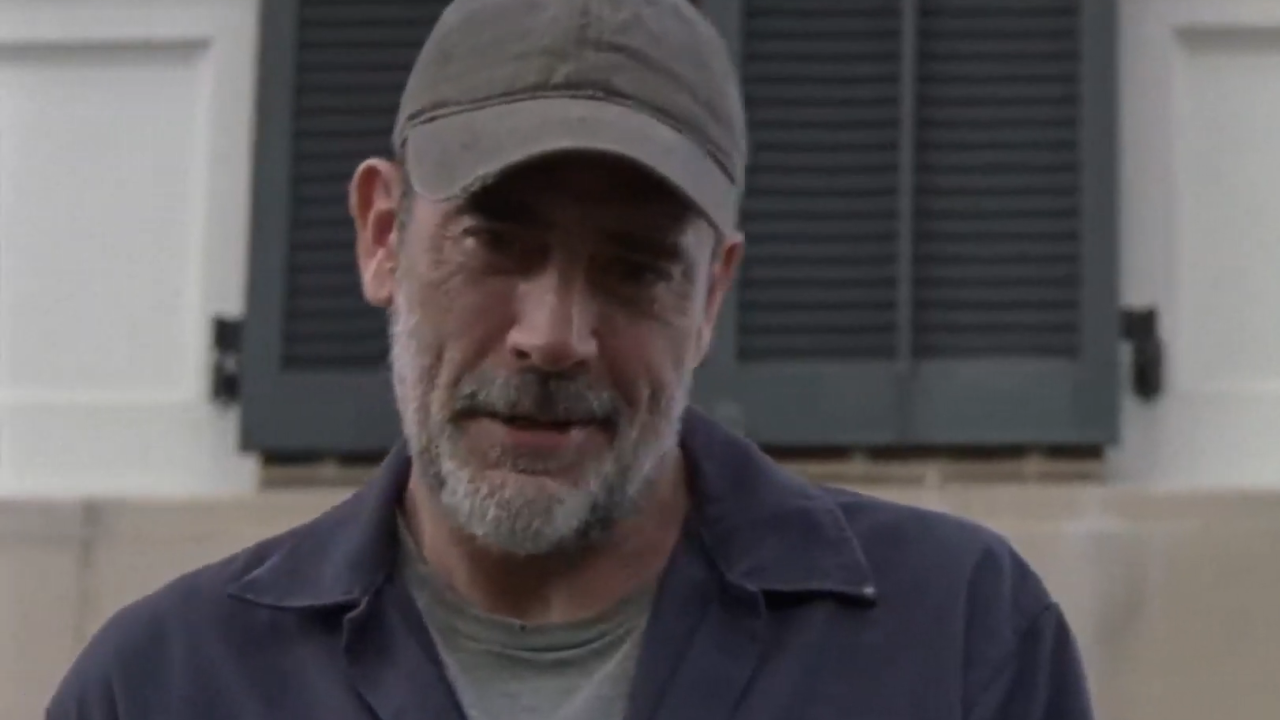
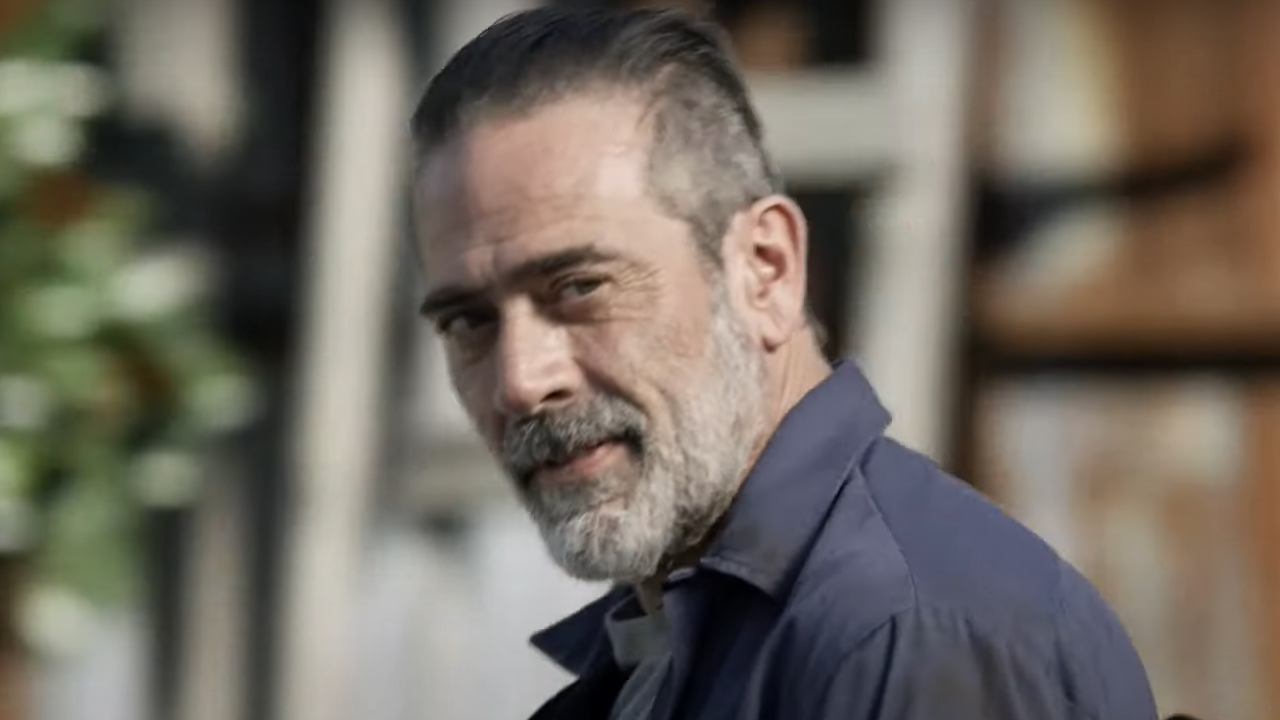
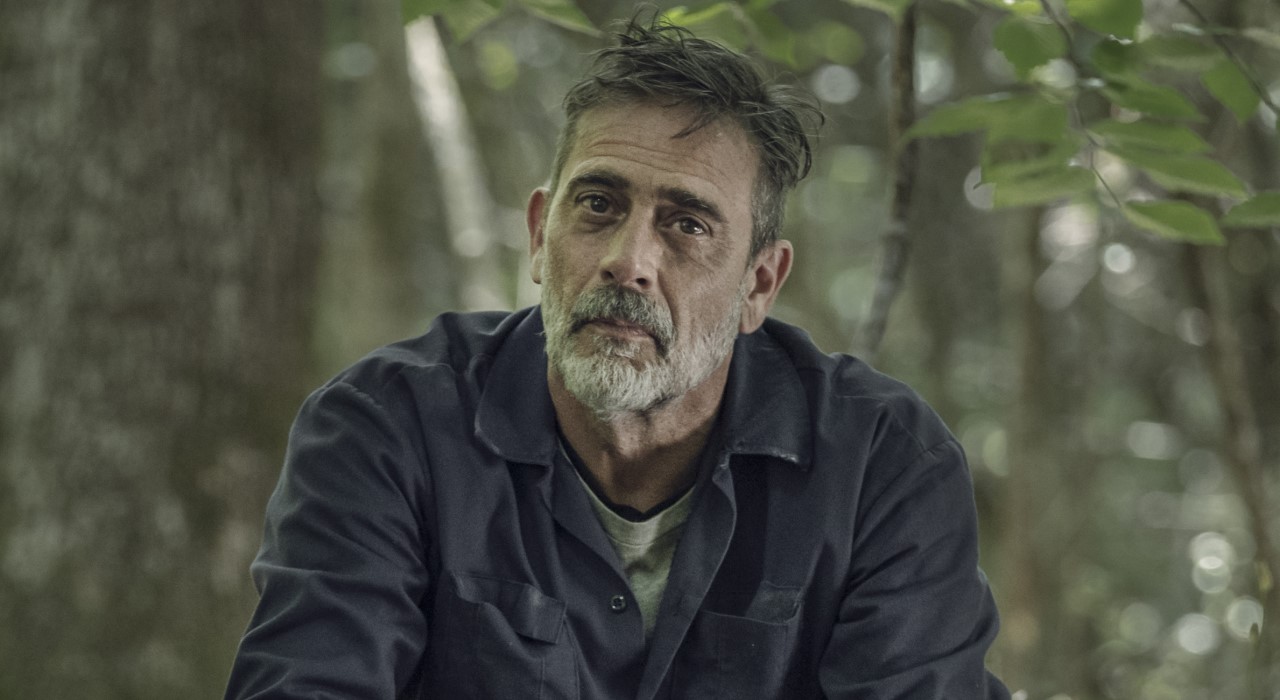
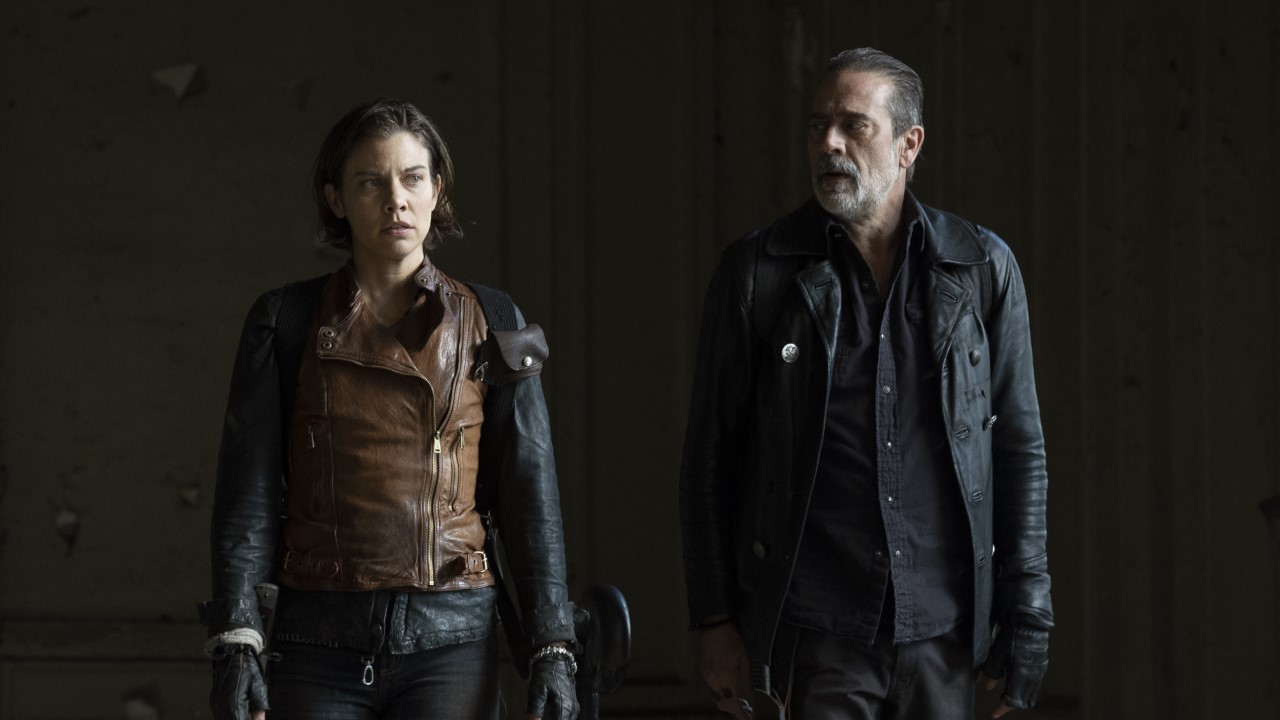
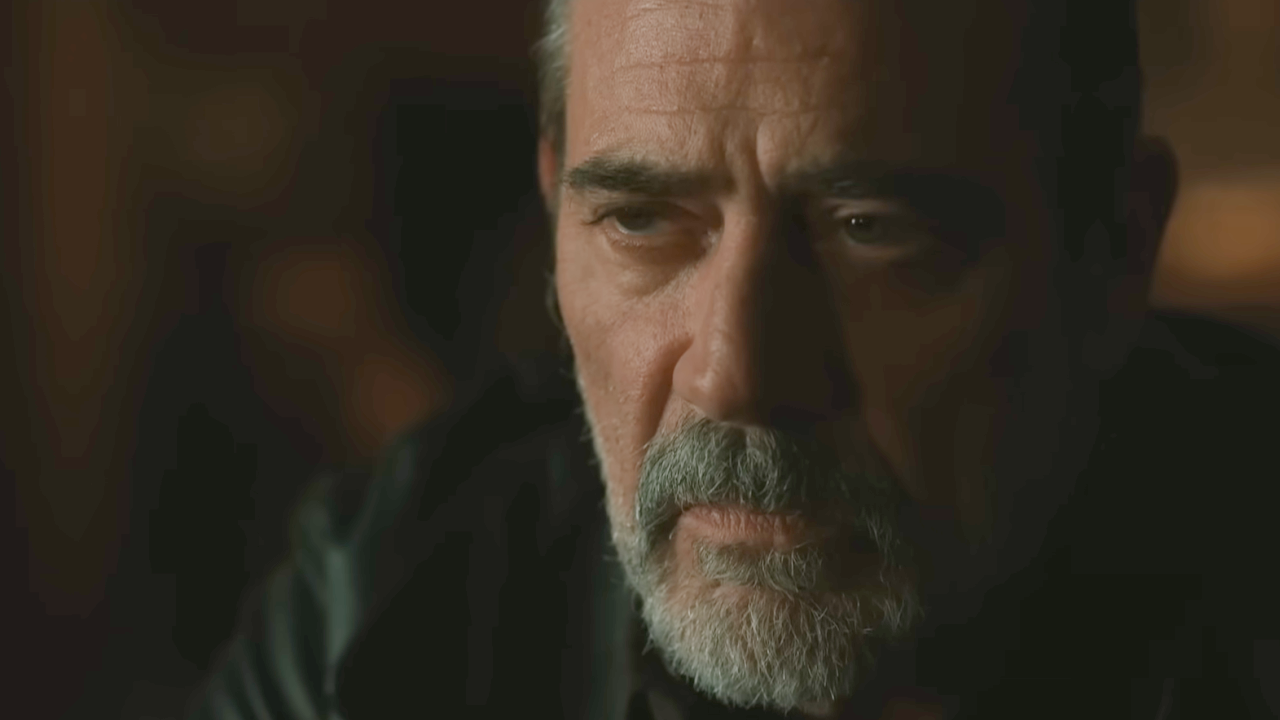
He brought intensity to this character and entirely became Negan. The character survived until the end of the series and got his own spinoff with Maggie, titled The Walking Dead: Dead City. Today, we are going to recap Negan's timeline and somehow keep this short. Let's get into it.
(Image credit: AMC)
Negan’s Name Is First Spoken (Season 6)
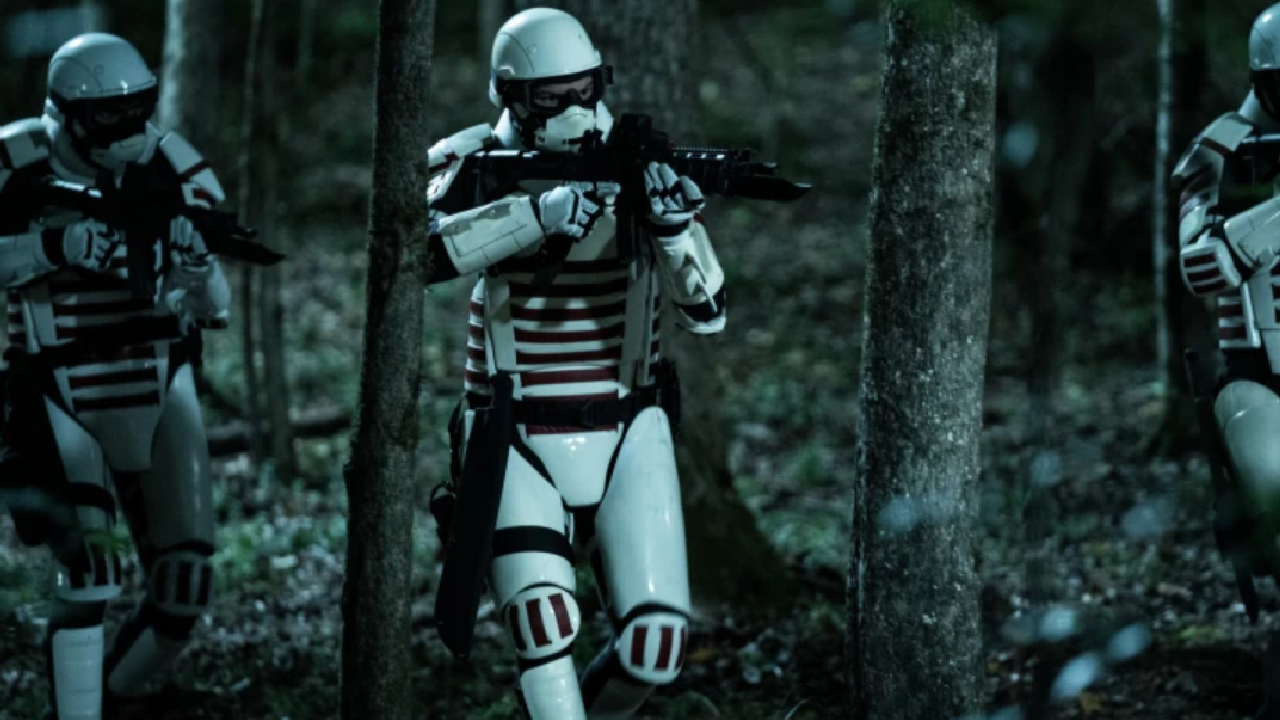
While Negan didn't appear in the show until the finale of The Walking Dead Season 6, we heard his name uttered many times during those episodes, specifically by the Saviors, the main group he led.
(Image credit: AMC)
Negan Finally Appears In The Finale (Season 6)
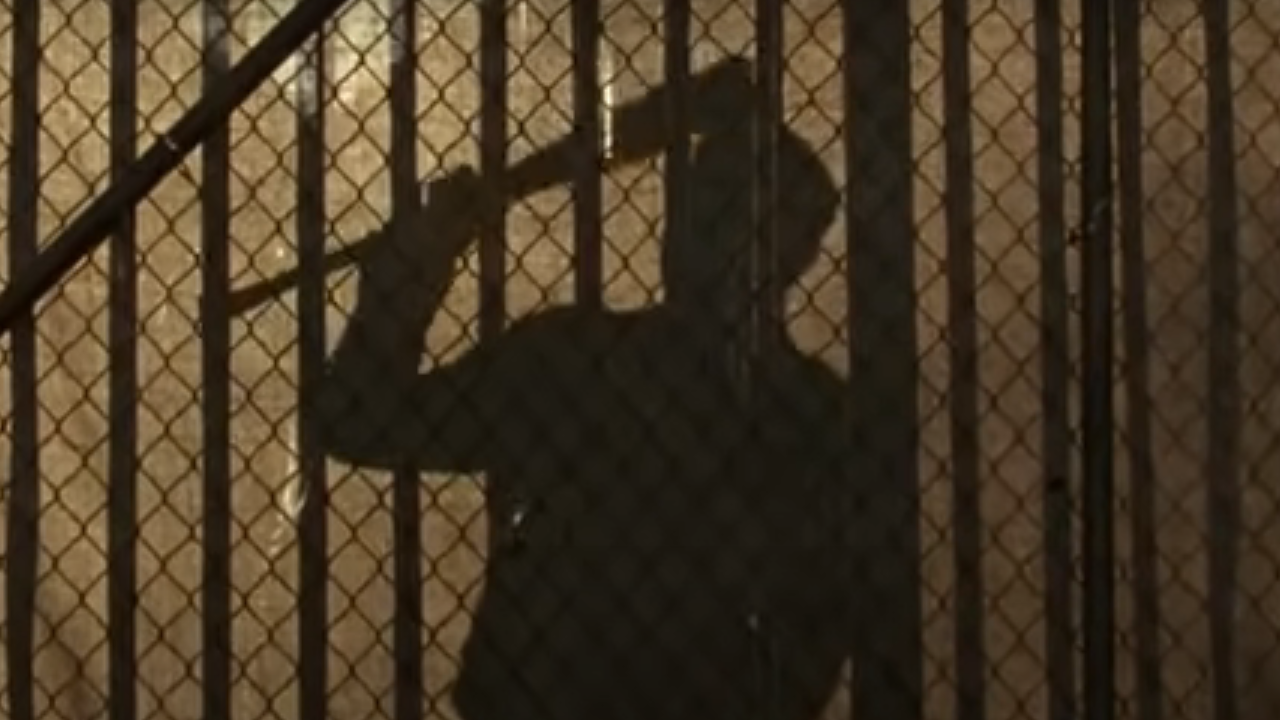
That Season 6 finale will haunt everyone's minds, but Jeffrey Dean Morgan finally appeared as Negan – and he knocked it out of the park with his portrayal. That cliffhanger had fans on edge for half a year to figure out who died.
(Image credit: AMC)
Negan Takes Out Abraham And Glenn And Steals Daryl (Season 7)
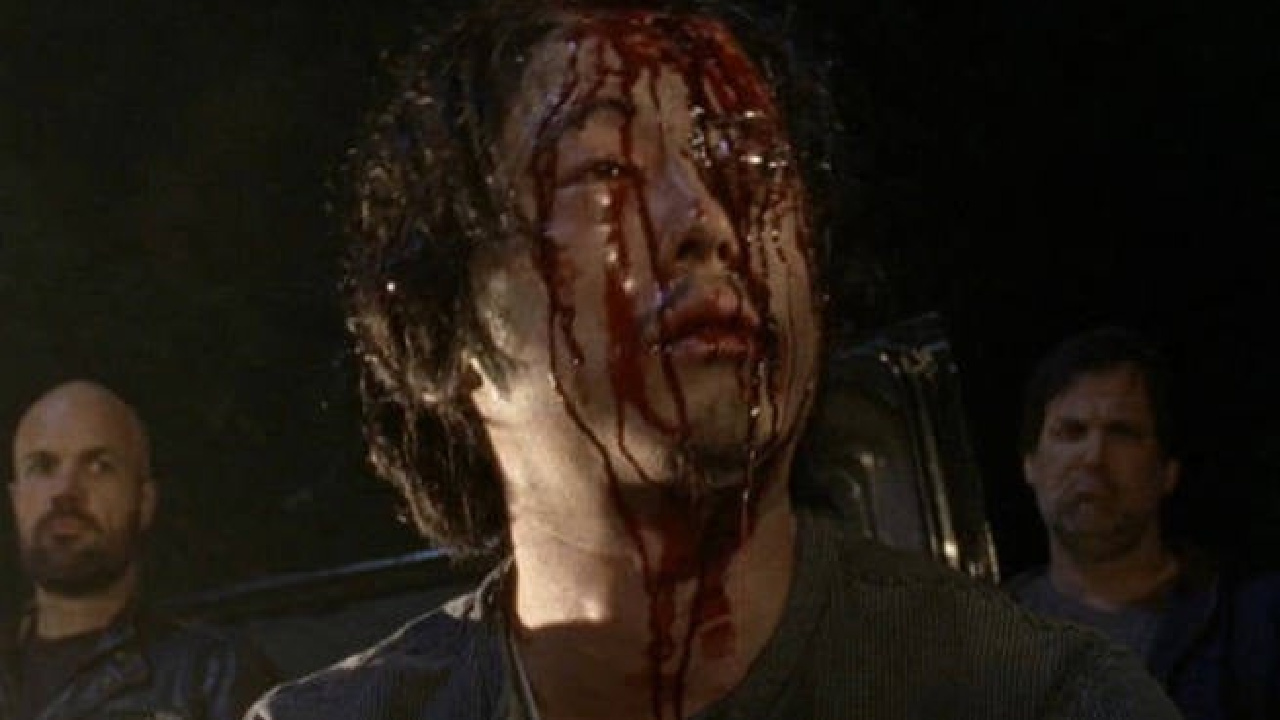
The premiere of Season 7 brought about the heartbreaking deaths of Glenn and Abraham – and Negan also kidnapped Daryl from Rick because of his insubordination and as a punishment to Rick. The group was truly broken, and Negan had fully established himself as a severe threat.
(Image credit: AMC)
The Saviors Take Half Of Alexandria’s Supplies (Season 7)
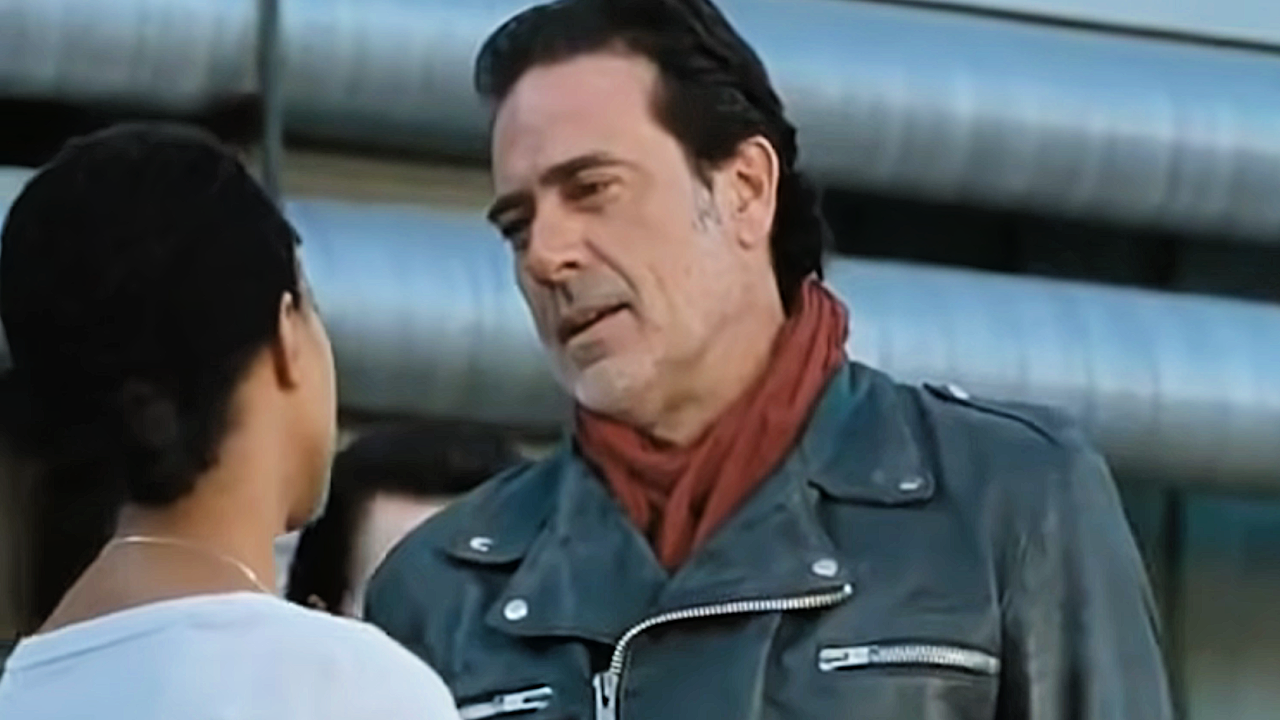
In the fourth episode of The Walking Dead Season 7,Negan arrives with the Saviors to collect Alexandria's supplies. Here, he parades Daryl as his servant, forces Rick to thank him for taking their stuff, and mocks their lives.
(Image credit: AMC)
Negan Kills Olivia And Spencer, And Imprisons Eugene (Season 7)
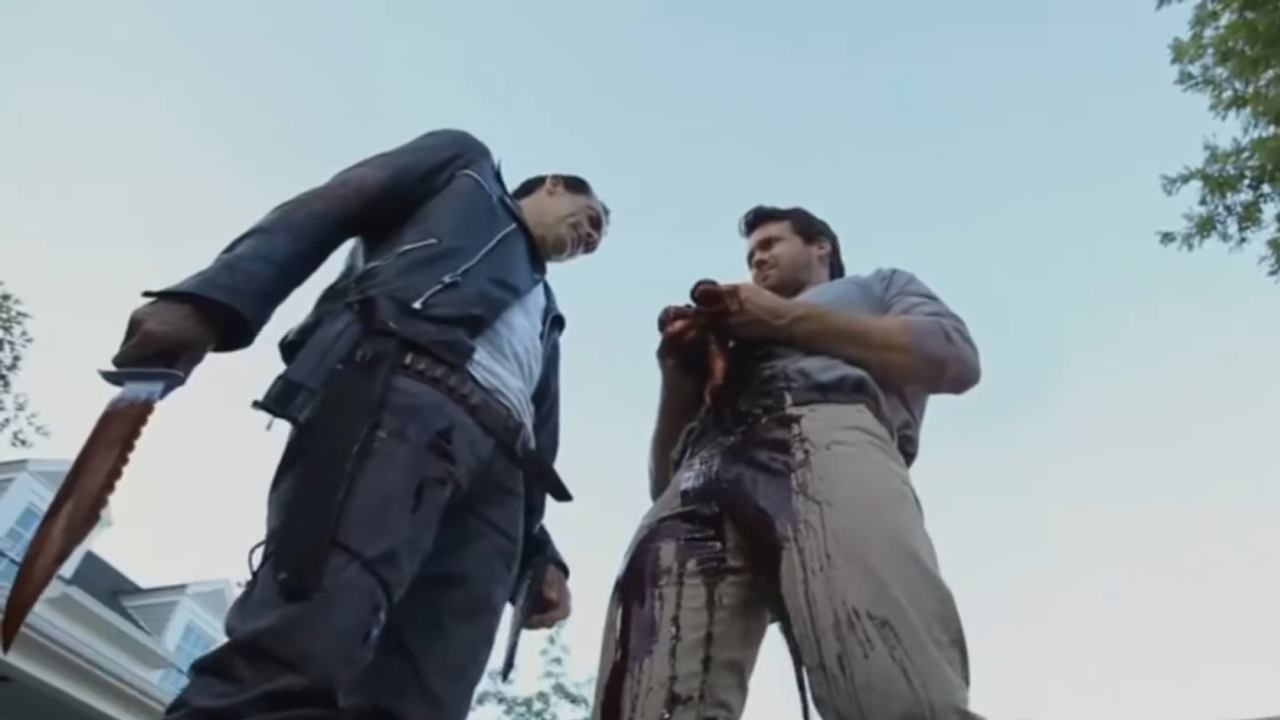
Spencer speaks to Negan during the midseason finale regarding Rick’s leadership, but he doesn't like how Spencer is undermining Rick, as much as he hates the guy. He kills Spencer. Rosita tries to shoot Negan out of anger but hits his bat instead. After that, he has one of his buddies kill Olivia and take Eugene hostage as his personal bullet maker since he made the bullet for Rosita.
(Image credit: AMC)
Negan Tries To Enlist Sasha’s Help, But It Falls Through (Season 7)
Sasha attempts to break into the Savior Compound at the end of Season 7 but is captured. Negan tries to get her on his side, but she takes a cyanide pill that kills her, and she turns to a walker as a last-ditch attempt to beat him, even in death.
(Image credit: AMC)
Rick And Negan Are At War (Season 8)
There is too much that goes on here to discuss in multiple sections. Everyone goes to war. Negan and Rick are all in on destroying each other. Oh, and Carl dies. That's fun to remember…Not.
(Image credit: AMC)
Negan Is Taken Down By Rick, But Is Left Alive (Season 8)
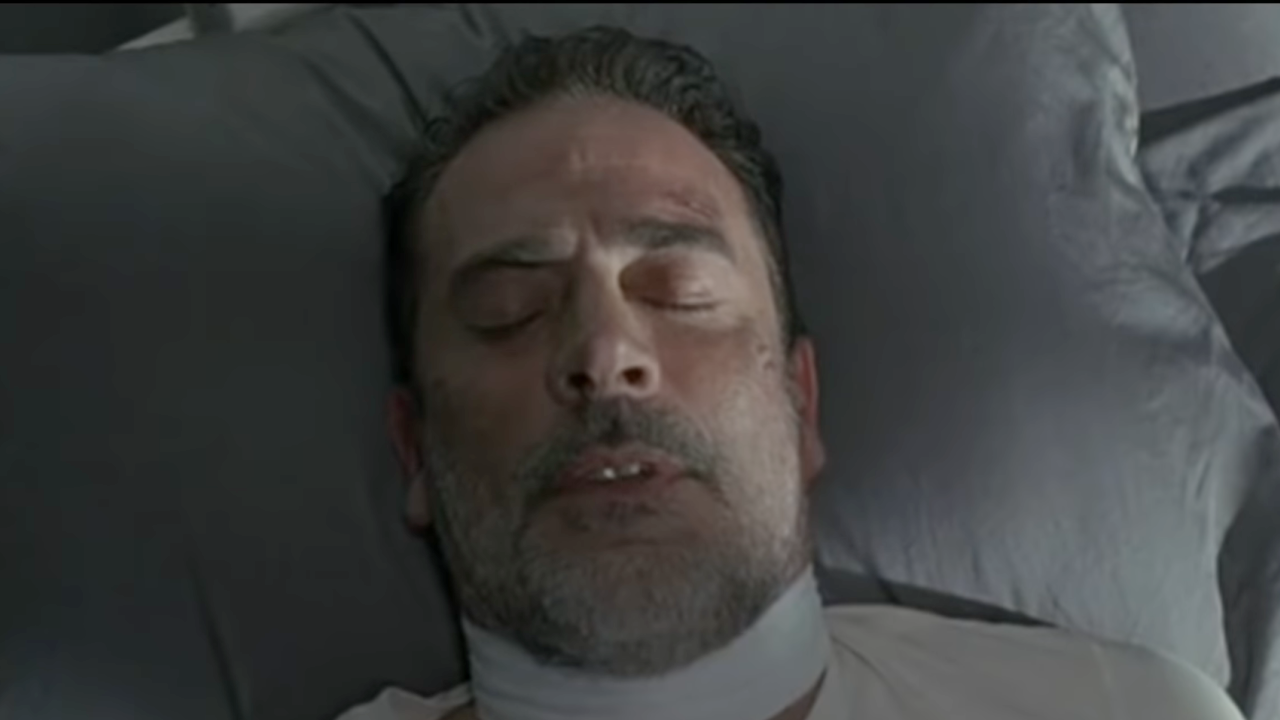
At the end of Season 8, Rick finally takes Negan down in a standoff but decides to let him live, trying to honor Carl's last wish and build a better world. Maggie is noticeably upset by this. Rick has Negan’s throat sewed up and intends to keep him in prison for the rest of his life.
(Image credit: AMC)
Years Pass, Negan Is Kept As Prisoner (Season 9)
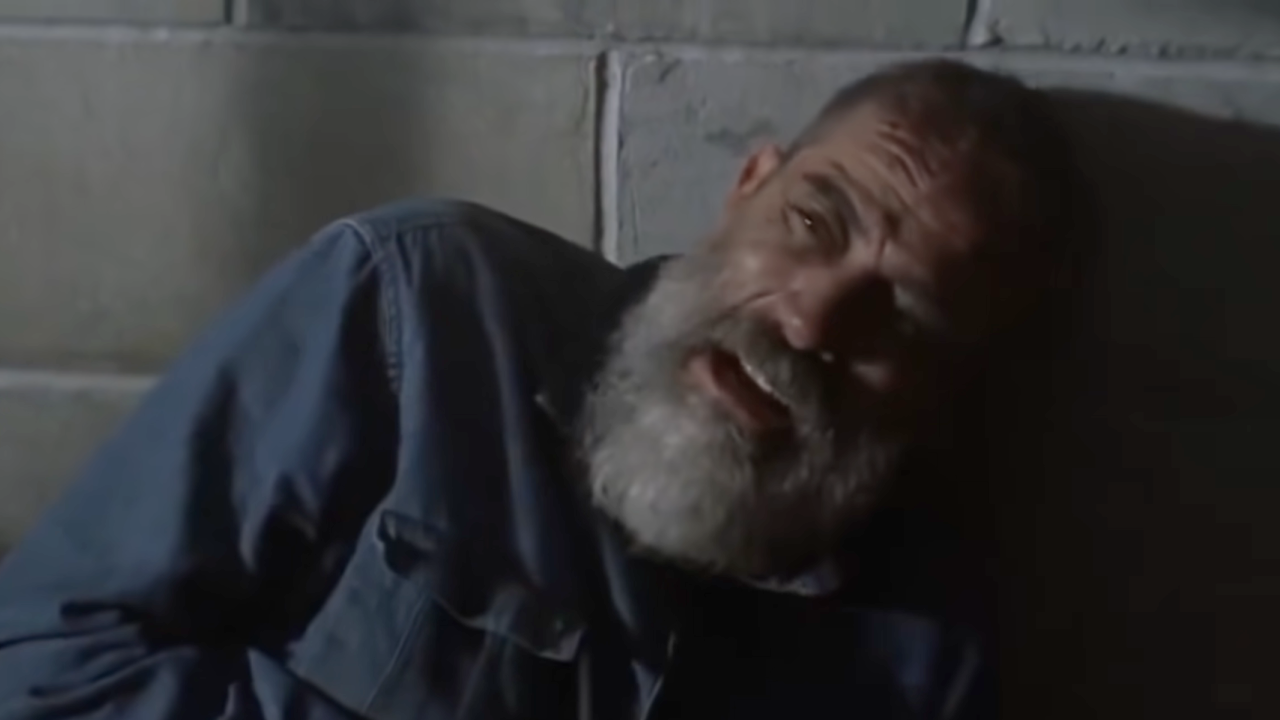
The time skip from the end of Season 8 to the beginning of Season 9 is about a year and a half, and Negan has been a prisoner the whole time. He hasn't been buddy-buddy with anyone, either.
(Image credit: AMC)
Negan Escapes But Is Brought Back To Alexandria By Judith (Season 9)
Fast forward years later again, after Rick is long gone, Negan escapes because someone accidentally left his cell open when visiting him. He doesn't harm anything while he's out there, but Judith stops him – and takes him back to Alexandria.
(Image credit: AMC)
Negan Saves Judith During The Big Storm (Season 9)
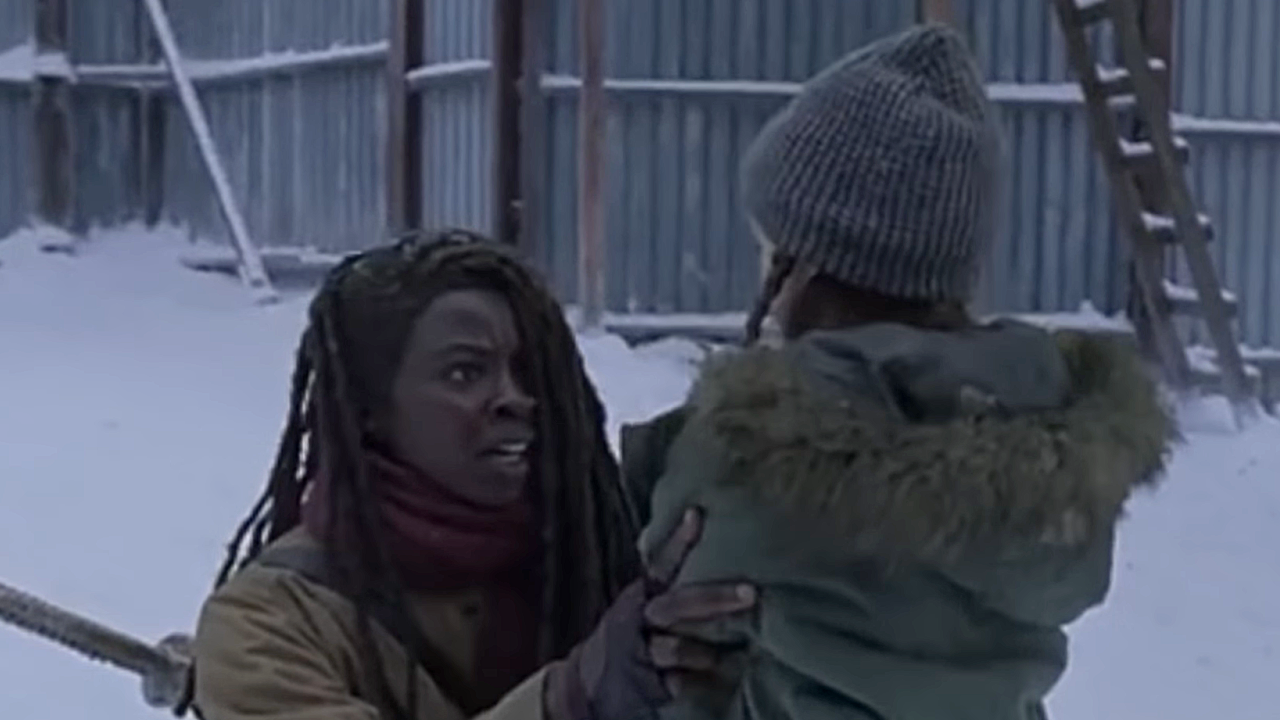
The big storm at the end of Season 9 saw Negan in a heroic moment, where he went out to save Judith and Dog from a blizzard.
(Image credit: AMC)
Negan Meets Lydia (Season 10)
At this point, Negan is doing more community service as well as staying in the cell, and he meets Lydia. She is the daughter of Alpha, the leader of the Whisperers, and is bullied constantly by the other kids. Negan acts as her protector for some time.
(Image credit: AMC)
Negan Is Let Loose Secretly By Carol To Kill Alpha (Season 10)
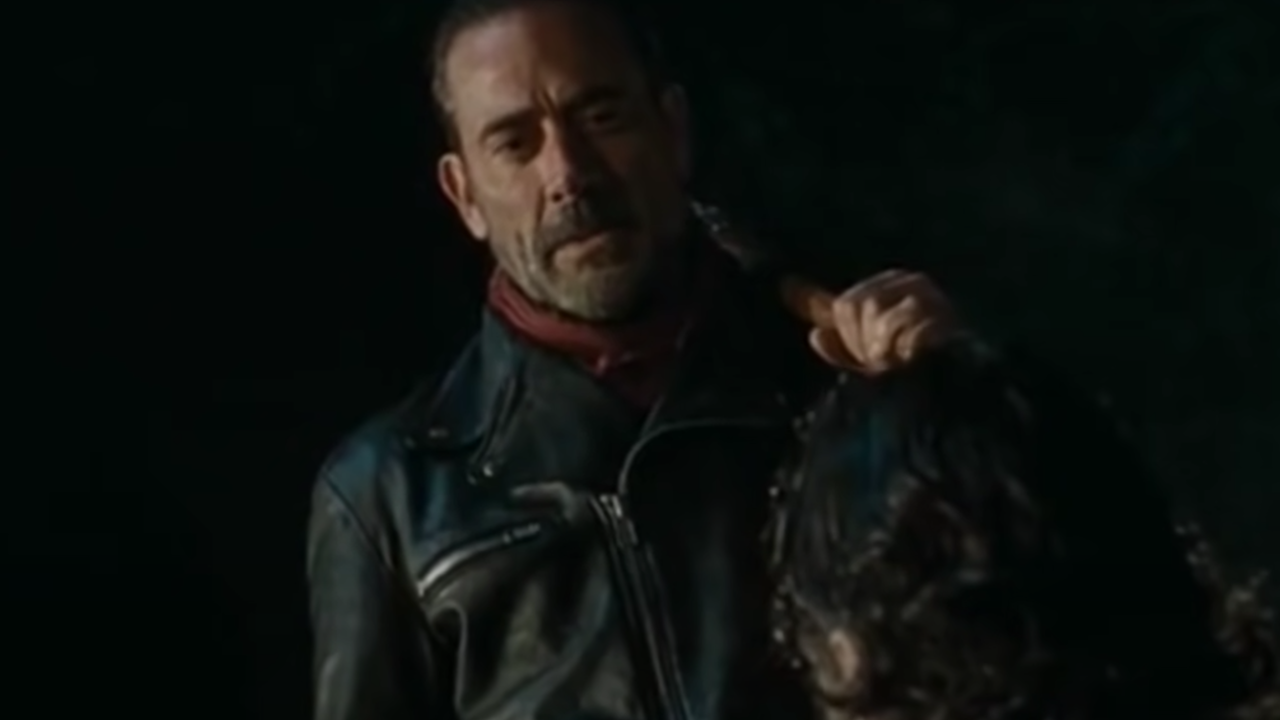
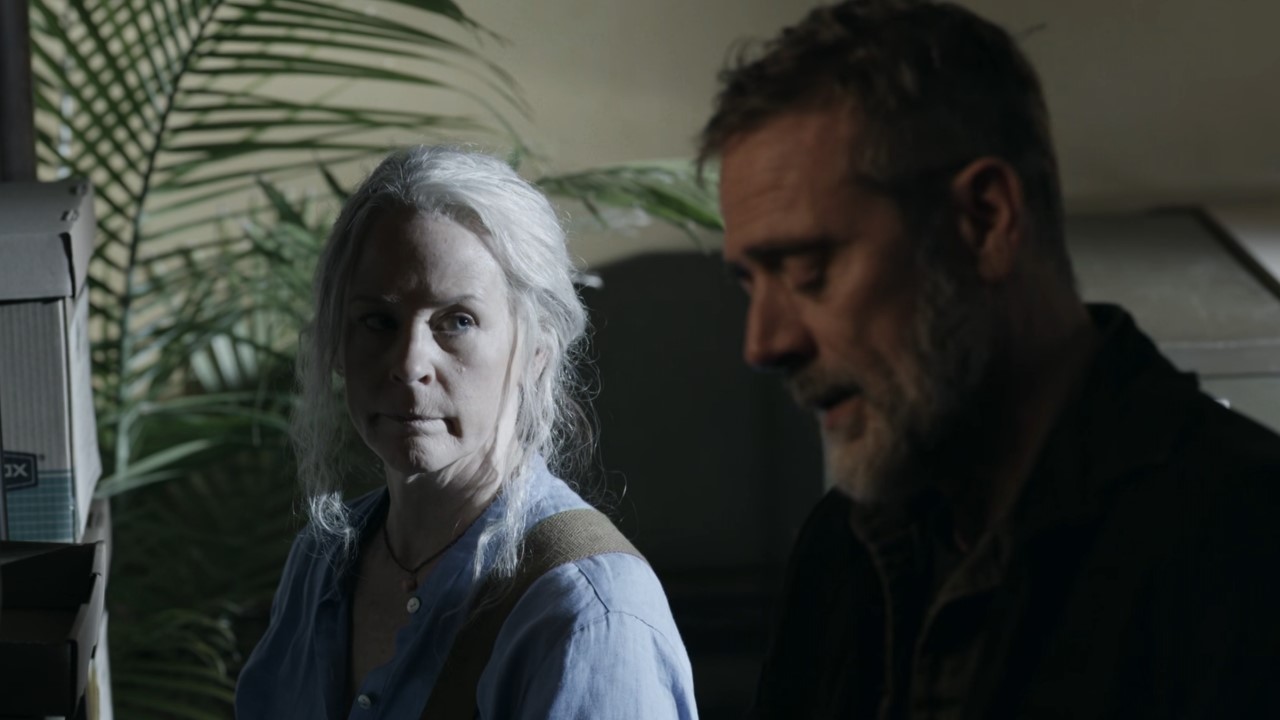
Carol's adoptive son, Henry, was killed by Alpha and the Whisperers in Season 9, and now she wants revenge as part of her timeline. She secretly collaborates with Negan and lets him out so he can seduce Alpha and then kill her. He does so successfully, delivering Alpha’s head.
(Image credit: AMC)
Negan Works Together With Alexandria To Take The Whisperers Down (Season 10)
After killing Alpha, Negan also works with Alexandria to take the rest of the Whisperers down, including the new leader, Beta. We get some sick flights from this.
(Image credit: AMC)
Maggie Is Forced To Live With Negan Walking Free (Season 10)
Negan has earned his place at Alexandria with many people after how much he helped with the Whisperers, but not with Maggie. Remember that.
(Image credit: AMC)
Negan Leaves The Group After The Reapers Battle And Finds New Folk – Including A Wife (Season 11)
The Reapers Arc is something we can skip over entirely because it didn't matter in the grand scheme of things. Negan helped out during that time, but since tensions were so thick with Maggie, he left alone and found a new group – and a new wife, Annie.
(Image credit: AMC)
Negan Once Again Works With Alexandria, This Time To Take Down The Commonwealth (Season 11)
Negan decides to team up with Maggie, Alexandria, and Hilltop to take down the Commonwealth, since he’s pretty good with this war thing and wants to keep his new family safe. Afterward, Negan and Maggie have a long conversation in the emotional finale about how she wants to move past her hatred for him because she knows he's trying. She can't forgive him, but she wants to be better.
(Image credit: AMC)
Negan Is On The Run From New Babylon (Dead City, Season 1)
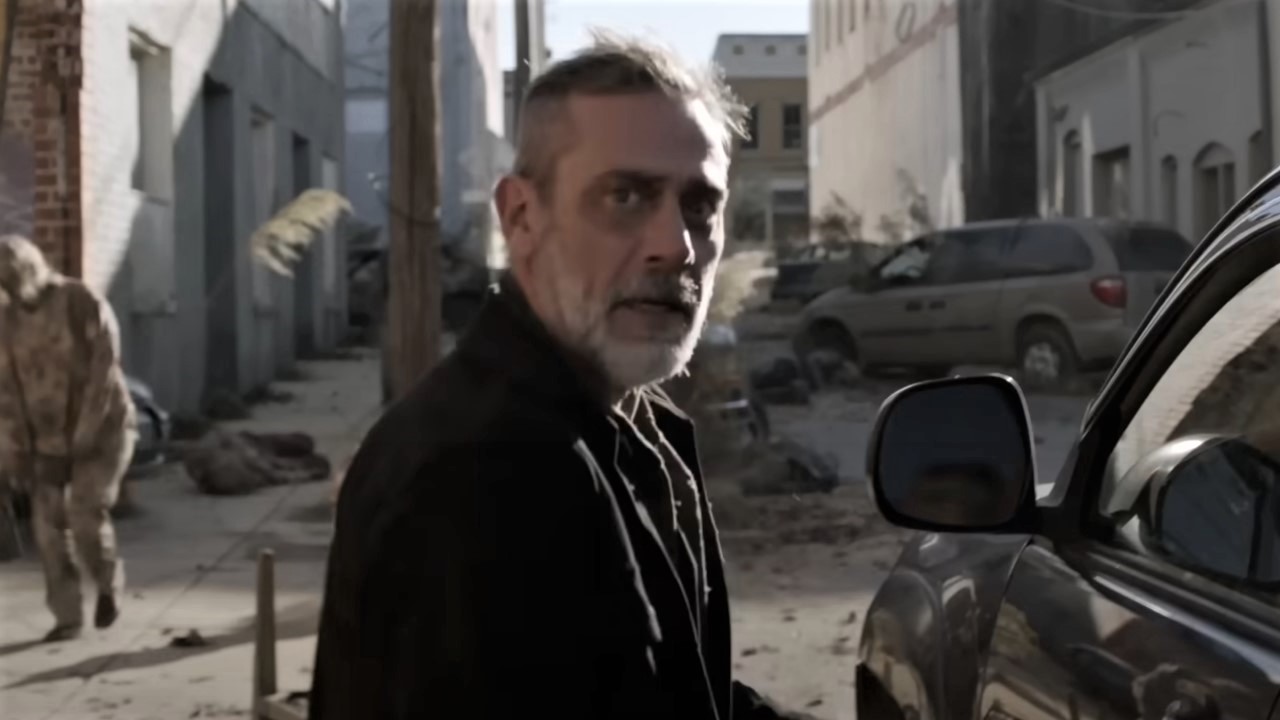
Several years have passed in The Walking Dead: Dead City. Negan is now on the run from the capital city of New Babylon of the New Babylon Federation. Why? Because the marshals there beat and robbed his wife, so he killed them. Typical Negan behavior, honestly.
(Image credit: AMC)
Maggie And Negan Head To NYC To Find Her Kidnapped Son (Dead City, Season 1)
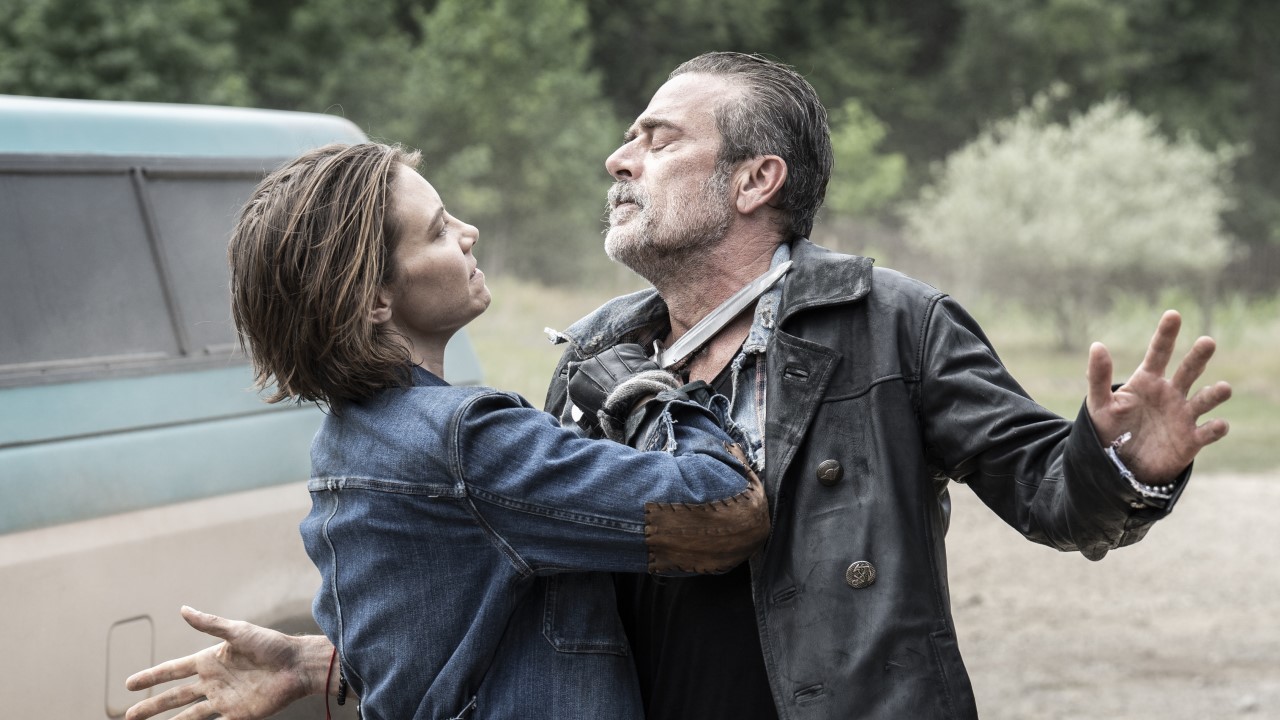
Maggie finds Negan and says she wants to bring him to NYC to find a man named the Croat to get her son, Hershel Rhee, back, who was kidnapped by the person she's looking for. This is where Dead City really begins.
(Image credit: AMC)
Negan Is Betrayed By Maggie To The Croat In Order To Retrieve Her Son (Dead City, Season 1)
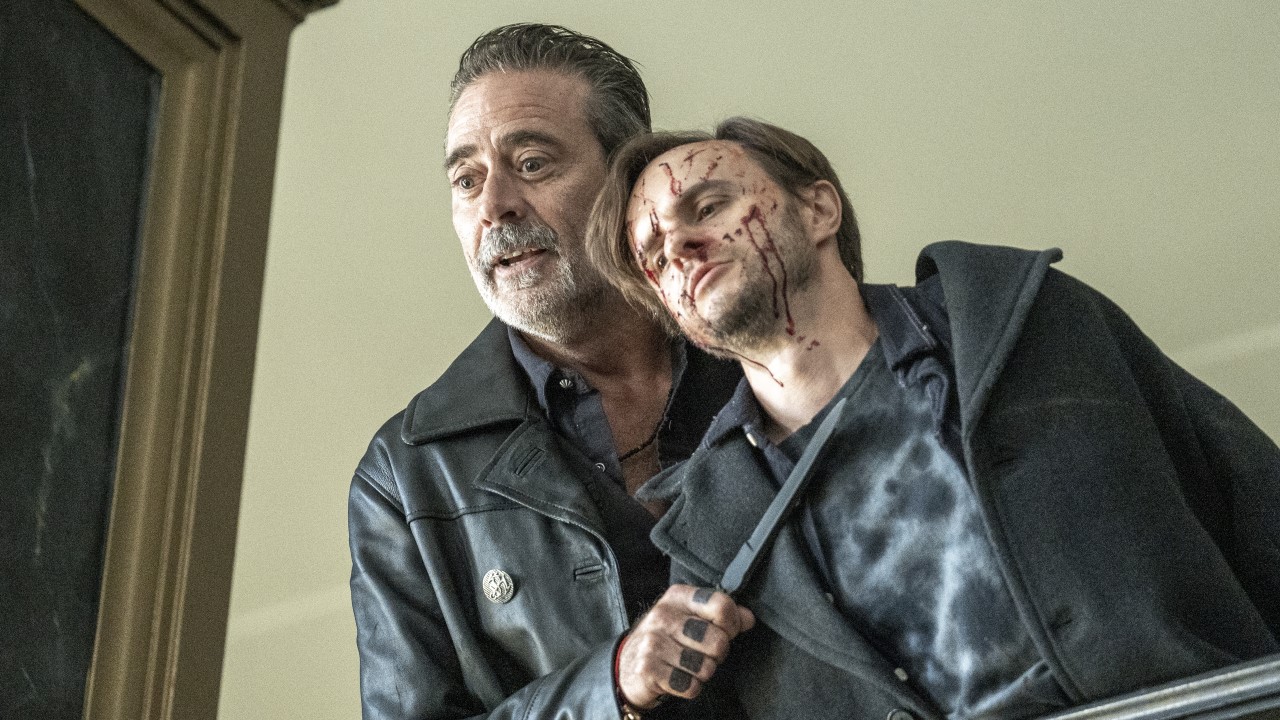
During Dead City, Negan and Maggie seem to be making some progress in their strange partnership, but Maggie betrays him in the Season 1 finale to trade him to the Croat to get Hershel back. Negan is understandably a bit peeved, but he doesn't let it stop the trade because he cares about the kid.
(Image credit: AMC)
Negan Is Forced To Bring Communities Together For A War In Order To Keep Hershel Rhee Safe (Dead City, Season 1)
The last scene we see is Negan speaking to The Dama, an ally of the Croat who wants him to help unite several communities in Manhattan in a war against the New Babylon Federation. The Dama threatens that Hershel can be kidnapped again if he doesn't cooperate.
Warning! The following contains spoilers for the 90 Day Fiancé: Before The 90 Days Season 6 episode “Field Of Dreams.” Read at your own risk!
Social media can be a huge spoiler for more 90 Day Fiancé storylines, and fans are known to scour all cast members' pages for clues on what's happening with them in the present as they get more invested in the season. Such was the case for Before the 90 Days' Sheila Mangubat, who was made to respond to a pregnancy question ahead of her latest big episode with David Dangerfield.
Sheila and David were still mourning the unexpected and tragic death of her mother, but decided to put those feelings aside as much as possible to enjoy a day at the beach with Sheila's son, Jhonreil. This was David's first real chance to bond with Jhonreil on 90 Day Fiancé: Before The 90 Days, and he hoped that they could form a bond despite his difficulty communicating due to being deaf. David was ultimately successful and seemingly won the shy boy over with a day at the beach.
Unfortunately, the day went a bit south when David talked about moving Sheila and Jhonreil from the Philippines to Omaha, Nebraska. Jhonreil outright said he wasn't willing to leave his country for the United States, and Sheila and David appeared concerned. Neither felt comfortable forcing the twelve-year-old to uproot his life, but would catering to his wishes mean the end of their relationship? 90 Day Fiancé fans might be curious, which led to the next bit of current news about the couple.
Sheila Responds To Fan Who Asks If She's Pregnant
As we wait to see if Sheila and David's relationship will last, there's already some hardcore sleuthing going down on the internet. One commenter felt they discovered something significant when looking at Sheila's recent Instagram post of her singing karaoke. For those that missed it, take a look at the video below:
One commenter thought they noticed a baby bump, and immediate speculation started in the comments that Sheila might be pregnant. The 90 Day Fiancé cast member popped in to squash that pretty quickly, but had a pretty good sense of humor about it:
I’m not pregnant. It’s just belly cuz I’m gaining weight .
Sheila wasted no time quieting anyone suggesting she was pregnant, so those thinking she was carrying David's child could put that theory to rest. One does have to wonder, though, how a pregnancy could change the dynamic of this relationship and whether it would impact Sheila uprooting her life and coming to the United States.
Would she want to hurry over to the United States with David so she could have her baby and start a new life, or would she be more compelled to stay closer to her family during that time? None of that is worth speculating about since 90 Day Fiancé: Before The 90 Days hasn't even hinted at a pregnancy, and Sheila is denying one.
Catch new episodes of 90 Day Fiancé: Before The 90 Days over on TLC and with a Max subscription. There's still time left in the season for some surprises to emerge, so be ready to hear anything in these upcoming weeks as we get closer to the tell-all.
The WWE still has quite a few upcoming live events for fans to buzz about in 2023, and the fact that there's no shortage of main-roster talent has made the major injuries of top stars less noticeable all around. At the same time, it's hard not to feel the absence when a top champion is taken down at their peak, which is precisely what happened to Liv Morgan. As rumors hint at how long fans can expect her to be out of the ring, the superstar showcased a bold new look on social media.
Ahead of the big reveal, Liv Morgan hinted that she drastically changed her hair recently, posting only a chunk of her hair that was chopped off and laying on the floor. The former women's champion finally showed off her new look on her Instagram Stories, which features a much shorter hairstyle than what she rocked the time she last held the tag-team titles:
(Image credit: Instagram of Liv Morgan)
Overall, Liv Morgan looks a lot different in this photo. No doubt that the considerable length of hair she's missing is a factor, as is the fact that she's wearing glasses and a monochromatic color scheme. But it's a fresh and stylish cut that fans no doubt want to see her flipping around in the squared circle.
Liv Morgan, who recently went viral for meeting up with her “twin” Margot Robbie, gave her followers another peek at her hair, with the second photo confirming the new haircut is above shoulder-length. It's a big departure from her previous long-haired style, as seen below:
(Image credit: Liv Morgan on Instagram)
Liv Morgan will join Rhea Ripley as another short-haired women's superstar in the WWE, assuming it hasn't mostly grown back before she returns. Right now, Morgan is on the sidelines after being written off television with a shoulder injury. In the context of WWE storylines, Ripley “injured” Morgan's arm by using a chair in the ring, and the latter hasn't been seen since.
In reality, Morgan injured herself before the attack from Ripley, and according to Wrestling Observer Newsletter, there is a possibility that she'll require surgery to repair whatever is injured. If surgery is necessary, it's likely going to mean a lengthy absence for Morgan that could maybe even keep her away from the WWE for the rest of the year. It all depends on what type of surgery is needed, as well as the recovery time. Which all falls back on this being trustworthy information to begin with.
WWE fans will remember that there was a belief only months ago that Liv Morgan suffered a significant injury, but then returned soon after it appeared things weren't as severe as originally thought. We still don't know at this time if Morgan's injury is something entirely new, or it's possible she reaggravated whatever sidelined her in the first place.
In any case, it would appear she's out of the women's title picture for the time being, though primed for a big return in the future. Liv Morgan could make a surprise return ahead of WrestleMania 40 and challenge Rhea Ripley. Assuming she still has the title, that would be a match I could see booked for the two-night event. Of course, it would require a healthy Morgan to return ahead of Mania, and we still don't know when she'll return.
For now, anyone can catch Liv Morgan's greatest hits in the WWE with a Peacock Premium subscription. Here's hoping for a speedy and full recovery on her end, and that we'll get to see a new era of “short-hair Liv” in the WWE.